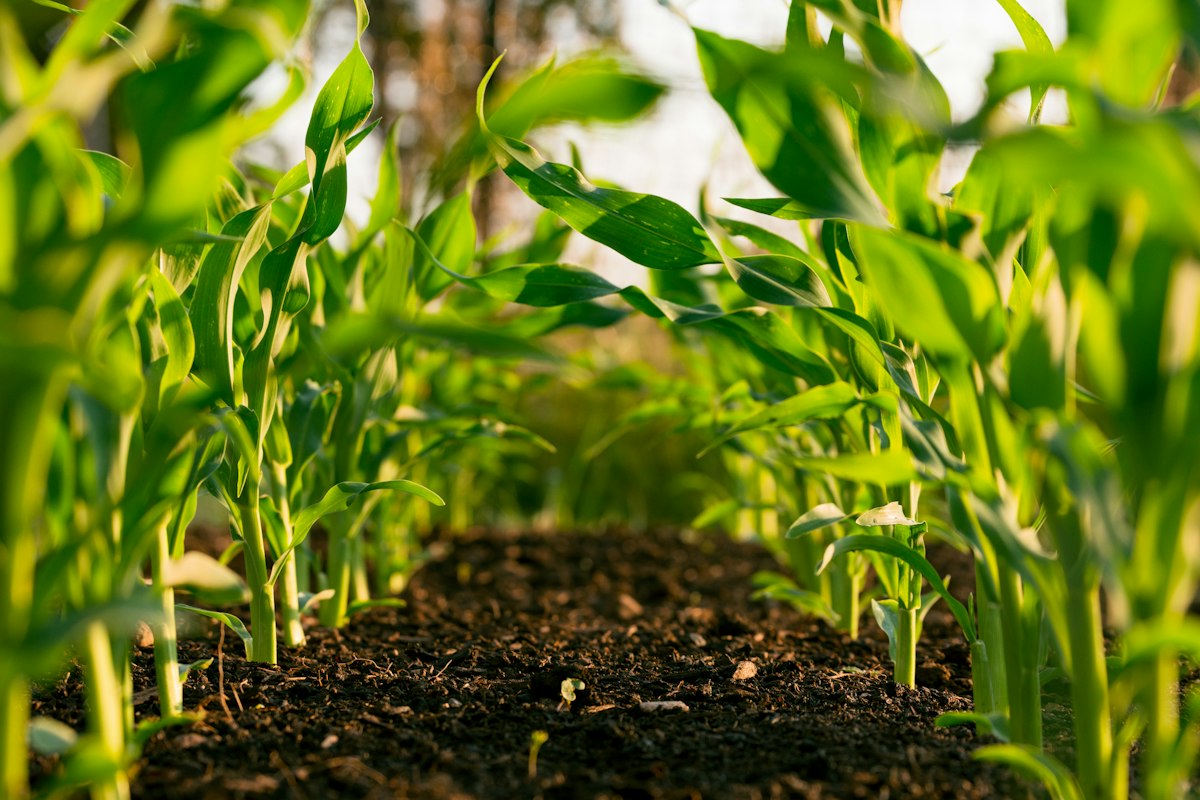
Harvest pays once a year. Your equipment finance should know that. Here's how specialist agricultural equipment finance works — and why it's different from what banks offer.
The seasonal income problem
Agricultural businesses in South Africa face a financing challenge that banks consistently fail to accommodate: seasonal income.
A grain farmer's revenue arrives at harvest. A fruit producer's cash flow peaks during the picking season. A sugar cane grower's income is concentrated in the crushing season. For most agricultural businesses, income is not evenly distributed across the year.
Banks, however, structure asset finance with equal monthly payments. When a farmer's income arrives in three or four months of the year, equal monthly payments create cash flow problems in the off-season — even when annual income is strong.
The equipment finance imperative
South African agriculture is equipment-intensive. Tractors, harvesters, planters, irrigation systems, grain handling equipment, cold storage — the productive capacity of a farming operation depends on its equipment.
When equipment fails or needs replacement, the timing is rarely convenient. A combine harvester that breaks down during harvest season doesn't wait for a bank's 34-day approval process.
How specialist agricultural finance works
Finance Africa structures agricultural equipment finance around the actual revenue cycle of the farming operation.
Seasonal payment structures: Rather than equal monthly payments, we structure repayments to align with the harvest cycle. Higher payments during the income season, lower payments (or payment holidays) during the off-season.
Project-based terms: For specific seasonal operations — a planting season, a harvest campaign — we can structure finance around the project timeline.
Multi-year structures: For long-lived assets like irrigation systems or grain silos, we structure terms that reflect the asset's productive life and the farm's multi-year revenue cycle.
What we finance
Finance Africa covers the full range of agricultural equipment:
- ›Tractors (all sizes and configurations)
- ›Combine harvesters and headers
- ›Planters, sprayers, and tillage equipment
- ›Irrigation systems and pumps
- ›Grain handling and storage equipment
- ›Livestock handling equipment
- ›Forestry equipment
- ›Recycling and processing machinery
- ›Cold storage and refrigeration
The approval process
Our target approval turnaround is 5 business days. For agricultural businesses facing time-sensitive equipment decisions — a tractor that needs replacing before planting season, a harvester that needs upgrading before harvest — this matters.
We require standard documentation: company or farm registration, director/owner IDs, recent bank statements, and an equipment quotation. An advisor will give you a precise checklist for your situation.
Getting started
If you're a South African agricultural business looking for equipment finance that understands how farming actually works, start a conversation with us. We'll assess your situation and structure a deal that fits your revenue cycle — not a bank's template.
Ready to explore your options?
Finance Africa's advisory-led process means a real person reviews your application and structures a deal that fits. Our target approval is 5 business days.